Energy: Ethics, compliance and human rights consultancy services

GoodCorporation has an established track record in the energy sector working for large international organisations including oil majors, independents and companies in the renewables sector.

We have delivered projects for over 50 clients in this sector, working for upstream, midstream and downstream operations, on megaprojects, for trading and shipping companies as well as on renewable projects in wind, solar, battery and green hydrogen.

Understanding and mitigating integrity risks in the energy sector

Energy projects are delivered through complex operating structures, often involving long‑life assets, multiple counterparties and cross-border operations. These characteristics are common to both oil and gas and increasingly to renewable energy projects such as wind, solar and green hydrogen.

This creates exposure to a range of integrity and compliance risks, including corruption, human rights, regulatory and supply chain risks. These risks are often heightened where projects operate across high-risk jurisdictions or involve engagement with host governments and regulatory authorities.

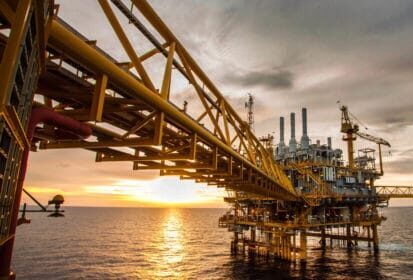
Oil rig

How we support energy companies

Our ethics and compliance services for energy companies include programme and project assessments on ethics, anti-corruption and sanctions compliance, as well as human rights risk mapping, human rights impact assessments and investigations.

We also support clients in managing risks related to the conduct of intermediaries, suppliers and business partners, offering supply chain risk management, due diligence, training and third-party onsite assessments.

We have conducted onsite assessments across energy projects worldwide and have particular expertise working with clients in conflict-affected and high-risk areas. Supported by local expert partners, our multicultural team delivers work in over 60 languages, enabling us to conduct assessments effectively across diverse markets and operating environments. We provide an evidence-based view of programme effectiveness, enabling our clients to understand what is working well, where risks lie and how improvements can be made.

A core part of our work is independent programme assessment. We have conducted on‑site project assessments worldwide, using a network of local experts to ensure the work is relevant and appropriate to each geography and context.

We assess anti‑corruption and compliance programmes at group, business unit or project level to identify strengths and gaps and compile practical action plans to mitigate risk.

We support organisations in managing risks related to the conduct of agents, intermediaries, contractors and subcontractors through due diligence, training and on‑site assessment.

We support energy companies with implementation of human rights programmes by assessing risks relating to workers, contractors, communities, land rights, security arrangements and supply chains. Key activities include human rights risk and impact assessments, due diligence reviews, worker welfare and labour rights assessments, and stakeholder engagement. We also conduct effectiveness reviews of grievance mechanisms.

By providing independent assessment, monitoring and assurance of human rights programmes, we help energy clients measure performance and demonstrate alignment with key human rights frameworks and evolving regulatory requirements.

We evaluate evaluate energy companies’ supply chain exposure to human rights, ethical and compliance risks to strengthen oversight and controls. The scope of topics can include supplier due diligence and monitoring programmes designed to support improvement over time, including alignment with sanctions regimes and broader regulatory expectations.

We deliver training and communications, including e‑learning and workshops, to embed awareness and promote ethical behaviour.

We also conduct confidential and legally defensible investigations. Scope can include fraud, corruption, workplace misconduct, third‑party violations and safeguarding.

Our work with energy companies

Business ethics assessments for a leading oil major

GoodCorporation has worked with TotalEnergies since 2002, conducting more than 180 business ethics assessments across its global oil, gas and renewables operations. The assessments evaluate how effectively its code of conduct and ethical standards are implemented across subsidiaries worldwide.

What we did: Conducted onsite assessments, site visits and interviews with employees and other stakeholders to assess how policies and practices were working on the ground. The assessments covered business integrity, labour standards, anti-corruption, human rights and environmental management.

Outcome: Each assessment produced a management report with findings and recommended actions. Results were benchmarked and monitored over time, enabling year-on-year comparisons and a global view of how effectively the company’s standards were being implemented.

read case study
Oil rig platform in ocean under blue sky

A compliance roadmap for a growing oil and gas company

Challenge: Rapid growth through acquisition had created a complex operating environment, with different legacy policies and practices across the business. The company needed a consistent approach to compliance that could evolve with future growth.

What we did: Assessed the existing compliance programme against recognised best practice and developed a bespoke assessment framework covering anti-bribery and corruption and related compliance controls. The assessment included stakeholder interviews and extensive document review.

Outcome: The company gained an objective view of its compliance maturity, a prioritised roadmap for improvement and a framework to continuously assess and strengthen its programme as the business grows. GoodCorporation continues to support this work through further assessments and digital compliance monitoring using GCAP.

read case study
Industrial pipes and structure against blue sky

Ensuring integrity and compliance for development finance in the oil and gas sector

Challenge: An oil and gas company receiving development finance needed to demonstrate that its anti-bribery and corruption and integrity compliance arrangements met the requirements of its financing.

What we did: Conducted an independent review of the company’s compliance programme, including a five-day onsite assessment and interviews with more than 40 stakeholders. We identified gaps and priority improvements, then supported the company in developing a policy implementation plan and strengthening internal compliance capabilities.

Outcome: The company implemented the recommended improvements, strengthening its compliance framework and meeting the integrity requirements of the financing.

read case study

Human rights evaluation for an oil and gas company

Challenge: An extractives company needed to assess how effectively its human rights policies were being implemented across operations in multiple countries.

What we did: Conducted two-week onsite assessments, reviewing documents and interviewing employees, suppliers, contractors, NGOs, customers and business partners. Each assessment evaluated the effectiveness of the company’s human rights framework and identified examples of good practice and areas requiring improvement.

Outcome: Detailed management reports provided an overall assessment of effectiveness, alongside recommendations for remedial action to strengthen human rights practices.

read case study

Standards and frameworks

GoodCorporation’s assessment frameworks draw on internationally recognised standards and regulatory expectations. These frameworks are used to structure our assessments and to evaluate how ethics, compliance and human rights programmes operate in practice.

Our work is aligned with established guidance and relevant legislation, including the following:

  • UN Guiding Principles on Business and Human Rights (UNGPs) – Global standard for managing adverse human rights impacts;
  • UK Bribery Act (adequate procedures) – Risk-based expectations for preventing bribery across an organisation’s operations
  • Foreign Corrupt Practices Act (FCPA) – Requirements for preventing and detecting bribery of foreign officials through effective compliance, record-keeping and internal controls;
  • OECD Due Diligence Guidance for Responsible Business Conduct – Practical guidance for complex and high‑risk value chains;
  • Voluntary Principles on Security and Human Rights (VPSHR) – Framework for managing security arrangements responsibly;
  • CSDDD – Emerging mandatory due diligence requirements for EU‑linked energy companies;
  • UK Modern Slavery Act – Requirements for identifying and addressing modern slavery risks in operations and supply chains;
  • IFC Performance Standards – Framework for managing environmental and social risks and impacts associated with projects and investments;

Frequently asked questions

What are the main integrity and anti corruption risks in the energy sector?

Energy companies are exposed to corruption risks in areas such as licensing and permitting, partnerships with state‑owned enterprises and the use of agents or intermediaries. These risks are often more pronounced in higher‑risk jurisdictions and in complex project structures. The challenge is maintaining visibility and control across operations, particularly where activities are delivered through joint ventures or third parties.

Energy companies are expected to implement risk-based anti-corruption programmes that prevent, detect and respond to bribery risks arising from their operations, projects and business relationships. This includes conducting risk assessments, performing due diligence on third parties, maintaining effective controls and training, keeping accurate records, and monitoring compliance.

Under the UK Bribery Act, organisations may rely on a defence of having “adequate procedures” to prevent bribery, while the Foreign Corrupt Practices Act (FCPA) places greater emphasis on preventing bribery of foreign officials and maintaining robust books, records and internal controls. Together, these frameworks establish expectations for proportionate, risk-based anti-corruption compliance across energy operations and value chains.

Energy and renewable companies face a combination of regulatory, operational and human rights risks. These include permitting requirements, environmental standards and stakeholder engagement, alongside risks linked to contractors, supply chains and local communities. Human rights due diligence helps organisations identify and respond to these issues, particularly where projects operate across multiple jurisdictions or in higher‑risk environments.

Oil and gas projects typically involve long‑life assets and close interaction with governments and regulatory authorities, which can increase exposure to corruption risks. Renewable energy projects are more often shaped by environmental regulation, permitting and expectations around supply chain transparency. While the context differs, both require consistent frameworks to ensure that controls are implemented effectively in practice.

Energy companies must manage sanctions risks alongside their relationships with third parties, including contractors, intermediaries and state‑owned enterprises. Requirements can vary across jurisdictions and change over time, making oversight more complex. In practice, organisations need processes that allow them to assess counterparties, monitor risk and respond to changes as part of their wider compliance framework.

Yes. GoodCorporation conducts independent, multi‑jurisdictional assessments and investigations into issues such as fraud, corruption and third‑party conduct. This work provides organisations with a clear understanding of what has happened in practice, alongside evidence‑based recommendations to strengthen controls and address underlying risks.

Contact Us

Whether you have a question, need more information about our services, or would like to explore how we can help your business, please get in touch.

work with us