Human Rights Impact Assessments

GoodCorporation’s expert-led human rights impact assessments (HRIAs) enable companies to identify, understand and assess any adverse effects of their business operations and those of their business partners in the value chain.

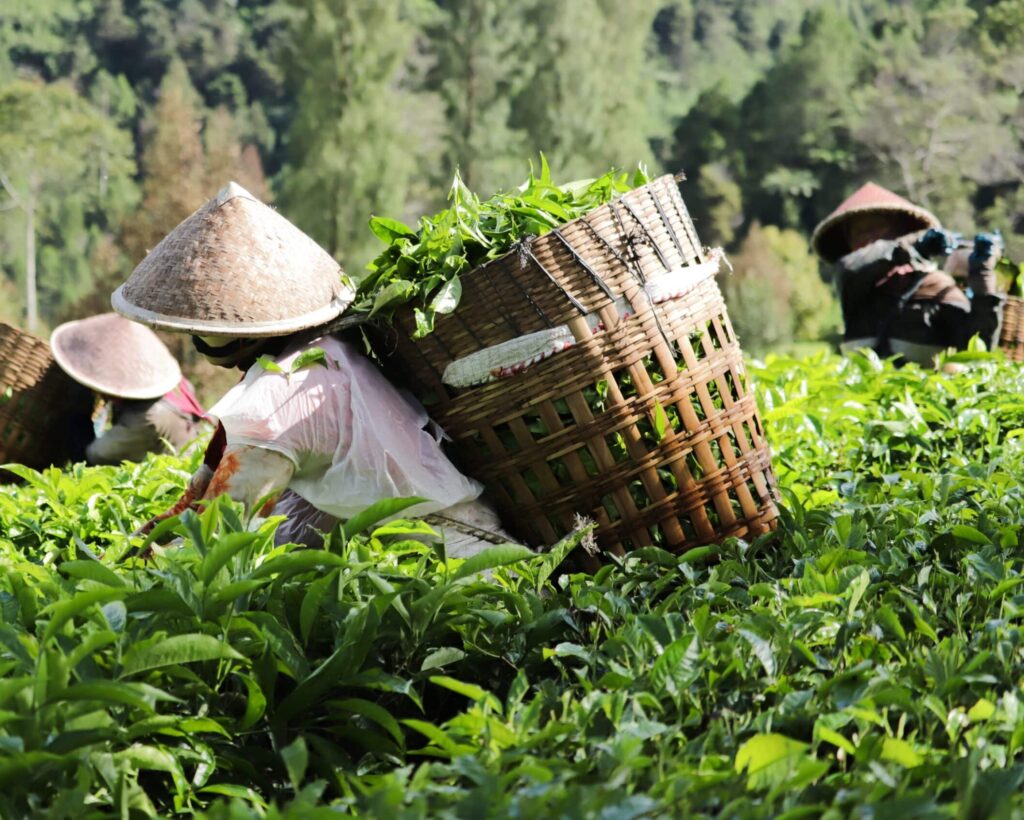
Farmers harvesting tea leaves in lush greenery.

How GoodCorporation conducts human rights impact assessments

GoodCorporation provides independent HRIAs across global operations and supply chains. We work closely with businesses to identify potential and actual human rigths impacts, validate findings with stakeholders and recommend practical solutions.

Our approach includes:

Three workers discussing in a warehouse aisle

Why businesses conduct HRIAs

HRIAs help organisations address complex and often systemic human rights concerns, including labour rights and community issues. By tackling both actual and potential human rights impacts, an HRIA looks forward, enabling organisations to develop long-term lasting solutions, which supports resilient supply chains and sustainability.

Conducting HRIAs in high-risk jurisdictions and operations strengthens both governance and accountability, while also building stakeholder trust and protecting reputation.

Key benefits of HRIAs include:

  • Prevention of harm to people and risk mitigation
  • Improved oversight of operations and supply chains
  • Greater confidence for investors, regulators employees and customers
  • Evidence-based insights to support ESG reporting

Why choose GoodCorporation

work with us

Aligning human rights impact assessments with international standards

GoodCorporation’s HRIA methodology has been developed to align with globally recognised frameworks, including:

  • UN Guiding Principles on Business and Human Rights (UNGPs)
  • International Labour Organisation Core Conventions
  • International Finance Corporation’s Performance Standards
  • OECD Guidelines for Multinational Enterprises
  • Danish Institute of Human Rights
  • UN Guidelines for Human Rights Due Diligence in Conflict Affected Contexts

Alignment with these standards ensures that human rights risks and impacts are assessed consistently and robustly across global operations.

Spools of orange thread on a sewing machine.

When to conduct a human rights impact assessment

HRIAs should be conducted by organisations with high-risk value chains, either due to the nature of the business, the sectors in which the business or it suppliers operate or the established practices in the areas where it operates.

Typical triggers include:

HRIAs should also be considered in rapidly changing contexts, such as conflict-affected regions, where human rights risks can escalate quickly.

Related blogs

GoodBlog

Navigating human rights challenges in global supply chains: strategies for long-term sustainability

With around 70% of international trade flowing through global value chains – where services, raw...

GoodBlog

The role of DEI in Human Rights Impact Assessments

Human Rights Impact Assessments (HRIAs) are an essential tool for companies to identify and address...

GoodBlog

Key steps to conducting an effective human rights impact assessment 

Businesses are under increasing pressure to show they have identified and addressed any negative impacts...

Frequently asked questions

What is a Human Rights Impact Assessment?

Human rights impact assessments are the most advanced form of on-the-ground human rights due diligence, enabling organisations to identify, assess, and understand any adverse effects on people resulting from their business operations.

An HRIA should be used in higher-risk operations to identify not just actual, current harms, but all the potential adverse human rights impacts a business might cause.

HRIAs are based on direct engagement with rightsholders such as workers, community members and other relevant stakeholders. This engagement helps build a complete understanding of how rights may be affected, their root causes and where concerns need to be addressed.

HRIAs are a key part of responsible business conduct and human rights due diligence. They help organisations understand the effects of their activities and those of their business partners on workers, communities, and other rights-holders, and provide the evidence needed to manage, mitigate and remediate adverse impacts.

An HRIA is a more targeted, in-depth assessment that complements ongoing enterprise-wide human rights due diligence. While human rights due diligence monitors risks continuously, an HRIA focuses on higher-risk operations or projects to ensure potential and actual impacts are properly identified, mitigated and, where necessary, remediated. They help organisations identify the root causes of human rights issues and create stakeholder informed action plans, often leading to collective action involving peers and business partners

HRIAs are typically commissioned when entering new markets, expanding operations or supply chains, or responding to complaints or identified risks.

Findings are integrated into ESG disclosures, including annual sustainability or human rights reports, risk management frameworks, and continuous improvement programmes.

GoodCorporation carries out meaningful stakeholder engagement to obtain the feedback of rights-holders or potentially affected stakeholders. This will include workers, local communities, unions, other relevant rights-holders, including vulnerable groups.

We also engage with civil society organisations (CSOs) and non-governmental organisations (NGOs) to build a better understanding of the local context and challenges and to inform the development of mitigation and remediation measures. Our HRIAs typically involve engagement with over 300 stakeholders over a two-week period.

Contact Us

Whether you have a question, need more information about our services, or would like to explore how we can help your business, please get in touch.

work with us